

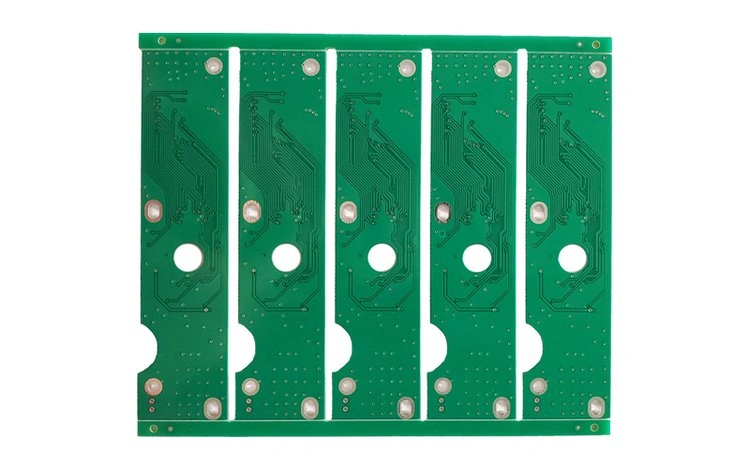
In general, a prototype means making a sample. PCB prototyping means turning a designed PCB schematic into a real board. It is done before mass production for product testing. A PCB project involves many steps. If one step has a problem, it can easily affect the product development schedule. In general, when designing a PCB, you need to go to a sample board factory for prototyping and make a few boards for testing. If the test passes, mass production can start. The price will be much lower than the sample board price. The main point of prototyping is speed.
PCB print files
PCB prototype files usually include PCB files or Gerber files, plus board making instructions. These include the board layer, material, pad process, ink color, and whether impedance control is needed. All of these must match.
PCB prototype lead time
Usually about seven days, and rush service is available.
Single-layer board prototypes: ship in 3–4 days.
4-layer board prototypes: ship in 6–7 days.
Based on the production capacity of each factory, mass production usually takes about 8–10 days.
PCB prototype quotation
PCB prototype quotation:
For standard process boards with a thickness of 0.6–1.6 mm.
Sample quotation method:
Engineering fee + board fee × quantity + layout fee + layout fee + special process fee.
PCB prototype instructions
Usually, the specification notes include PCB size, PCB board size, PCB material code, prototype quantity, PCB board type, PCB thickness, PCB copper thickness, PCB surface finish, solder mask color, silkscreen ink color, environmental requirements, fire rating, whether vias are plated through, hole size tolerance, PCB warpage, PCB shaping method, and other specs. The items are listed below:
Material
First, you need to state what material is used for the PCB. The most common one is FR-4. Special board materials include Rogers, Taconic, PTFE, and F4B high-frequency board.
Board layer
Describe how many layers the PCB has.
Solder mask color
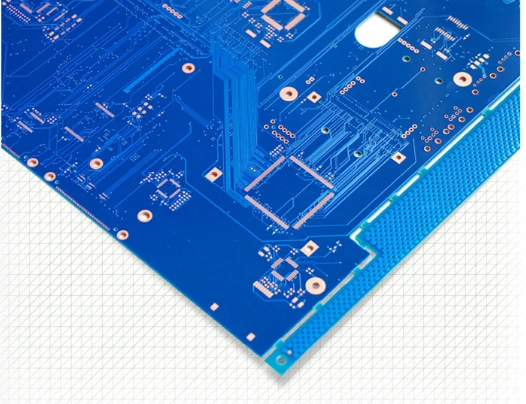
There are several colors to choose from based on company needs. Green is the most common.
Silkscreen color
This is the color of the silkscreen text and border on the PCB. White is usually used.
Copper thickness
Copper thickness is usually calculated based on the current of the PCB circuit. In general, thicker copper is better, but the cost will be higher, so it needs a proper balance.
Whether vias are covered with solder mask
Solder mask cover means the vias are insulated. If not, the vias will not be insulated.
Surface finish
Common finishes include HASL, OSP, Immersion Tin, Immersion Gold, and Gold Plating.
Quantity
The number of PCBs to be made must be clear.
PCB prototype notes
- Check the PCB files carefully to avoid data problems.
- Review the whole process carefully and set up the process with the manufacturer.
- Control the production quantity well. Keep the quality good and save cost at the same time.
- Communicate fully with the manufacturer to prevent problems in advance.
Choose the PCB prototype method
There are three PCB prototype methods: formal PCB factories, professional sample board companies, and a small number of board copy companies.
- The purpose of a regular PCB factory prototype is to get large orders, so of course it wants these orders to return. A professional prototype company only makes samples or small batches. It is professional and fast, and it is good for making one or two small sample boards. If you give it a large order, it may not be able to handle it.
- For quality assurance, a regular PCB factory is always better than a sample board company. A professional sample board company treats it as a one-time job. Once the sample is sent out, payment is collected. Flying probe testing is not always required. If the quality is not good, you have to make it again and pay again. A regular PCB factory usually does flying probe testing. From materials to process, it is more careful and more professional, so the quality often passes the first time.
- A small number of PCB companies also do PCB prototyping. After they receive the customer data and confirm the final plan, they quickly provide PCB prototypes, functional prototype making, and testing to make sure the product is workable.