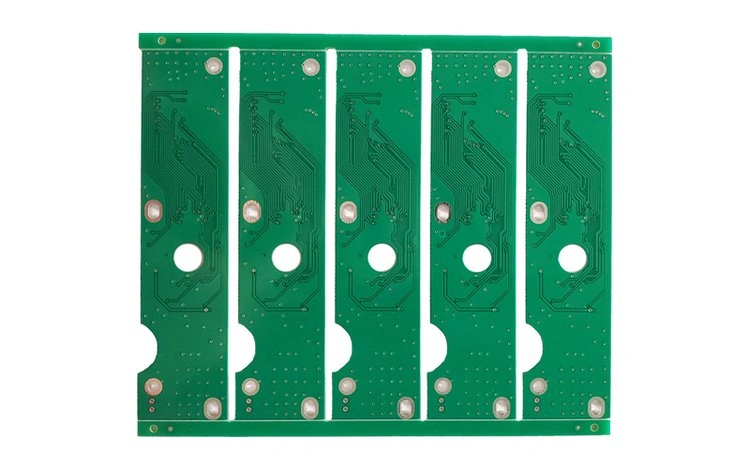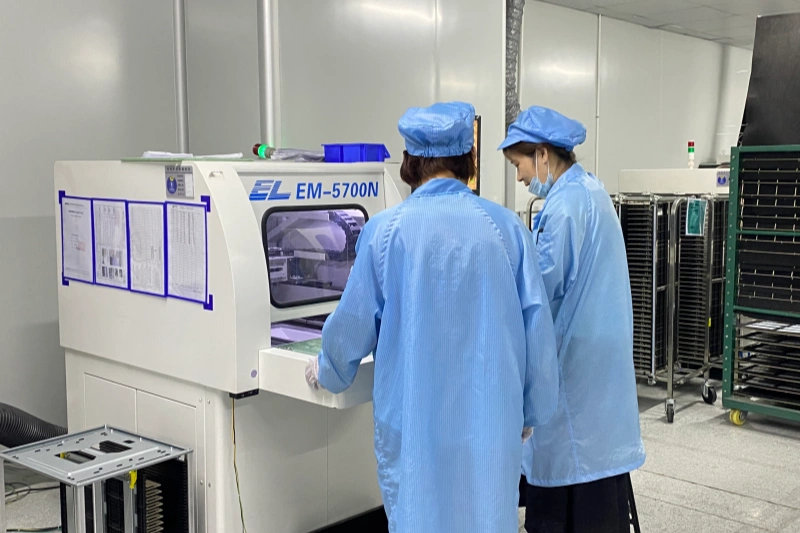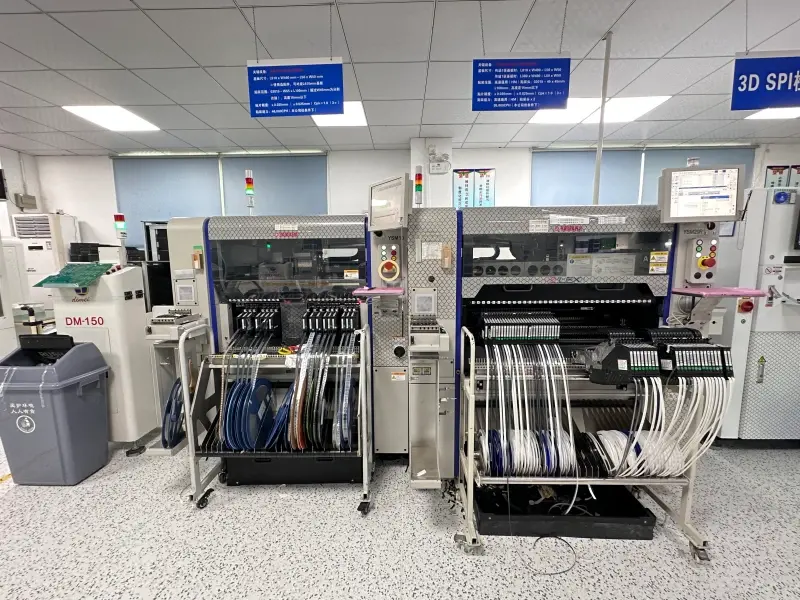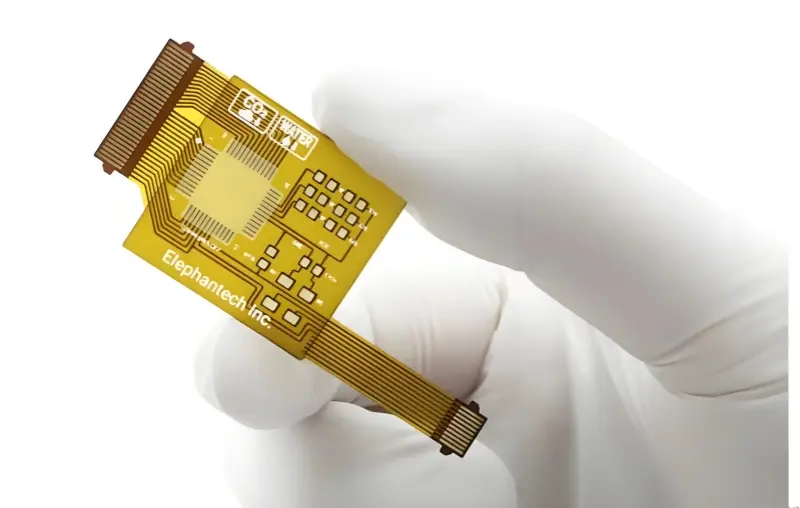


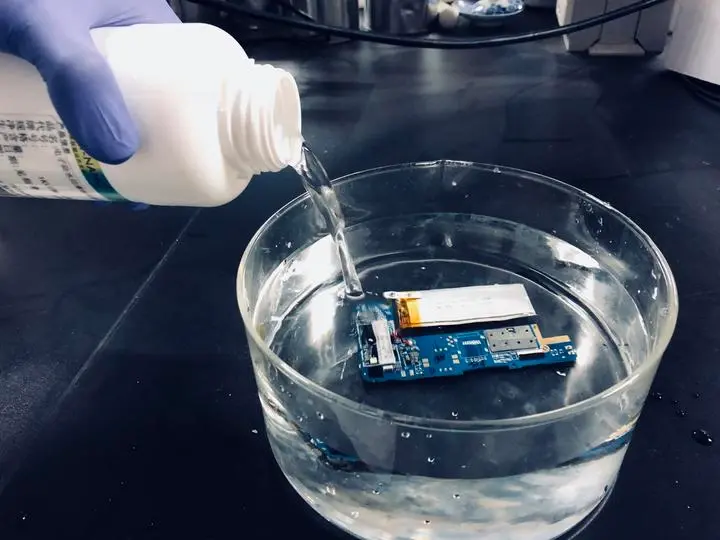
This document explains how to apply conformal coating to circuit boards. Conformal coating is also called three-proof coating. It protects the board from moisture, salt spray, and mold. The guide uses simple words and short sentences. It keeps steps clear. Use it for making your process more standard and safe.
Why use conformal coating on a PCB
When you put a conformal coating on a circuit board, it forms a protective film. This film helps in many cases. It protects the board from chemicals like fuel or coolant. It also helps with shock, moisture, salt spray, humidity, and high heat. If a board has no coating, it may corrode or grow mold. This can cause shorts and circuit failures. A coating makes the board more reliable. It raises safety and life time. It also lets you run higher power and put parts closer together. That is because the coating helps stop leakage. So it helps make parts smaller.
Main rules and quality requirements for coating
Follow these rules when you coat a PCB. Keep each rule simple and clear.
- Do not coat parts or areas that are marked as no-coat.
Some parts must stay free of coating. Do not put coating on those parts. - The coating layer must be even, flat, and glossy.
The coating should cover pads, parts, and conductor surfaces well. - Do not let the coating flow or drip onto no-coat areas.
When brushing or spraying, watch for drips. If a drip goes to a no-coat area, fix it. - The coating and board must not have bubbles, pinholes, wrinkles, shrink marks, dust, or foreign matter.
Do not let powder or peeling happen. Do not touch the film while it dries on the surface.
Paint film thickness and recoat
- Spray thickness control: keep the wet film thickness between 0.05 mm and 0.15 mm.
The dry film thickness is usually 25 µm to 40 µm. - Second coat: if a product needs extra protection, you may apply a second coat after the first coat cures.
Decide if you need a second coat by the product need. - If you need to replace a part after coating, do these steps:
- First, check the board by eye. If the coat fails, fix it.
- If some no-coat area has coating, remove it with a clean cloth or cotton swab damp with board cleaner. Use tweezers to hold the cotton if needed. Do not remove the good film.
- If you need to solder on the board after coating, you can solder the part directly with a soldering iron. Then clean the area with a damp cloth.
- Replace the part by soldering the new component.
- Use a small solid brush with conformal coating to recoat the soldered area. Let it dry and cure.
Operation and safety rules
- Wear a mask or gas mask, rubber gloves, and chemical safety goggles when you work. This protects your body.
- Keep the coating area clean and free of dust. Good ventilation is a must. Do not let unrelated people enter the area.
- After work, clean the used tools right away. Keep the coating containers closed and sealed.
- Take electrostatic discharge (ESD) steps. Do not stack boards. Do not run coating steps while boards are stacked. Place boards flat and level.
Spray process and size limits
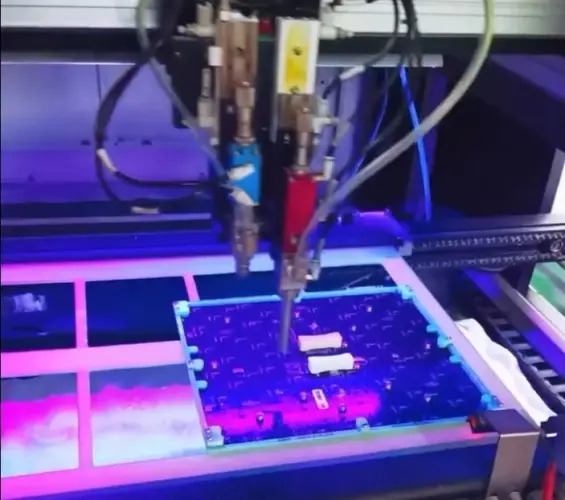
- The maximum PCB or PCBA size for spray is 410 × 410 mm. The minimum is 10 × 10 mm.
- Each board must have a frame or edge of at least 5 mm. This helps the board go on the machine track.
- The maximum component height on a PCBA for spraying is 80 mm.
- The minimum distance between a sprayed area and a non-sprayed area is 3 mm.
- Some components must not be sprayed. These include:
- Power parts with a heat dissipation surface or heatsink.
- Variable resistors (trimmers).
- Buzzers.
- Battery holders.
- Fuse holders.
- IC sockets.
- Power resistors.
- Power diodes.
- Cement resistors.
- DIP switches or rotary switches.
- Tactile or momentary switches.
- Clean the board well. Good cleaning removes corrosive residue and helps the conformal coating stick to the surface.
Suggested paint thickness and bake
- Aim for paint thickness around 0.1–0.3 mm of wet film as a guideline in some cases.
- Typical bake or cure conditions: 60 °C for 10–20 minutes. This helps the coating set and get full properties.
How to mask and protect parts
Masking is key in a good process. Use proper mask materials and follow these ideas:
- Mask solder pads, connectors, test points, or parts that need no coating.
- Use tape or a plug to block the spray on these areas.
- Do not leave masking too long, because residue can be hard to remove.
- After the coating cures, remove the mask carefully. Do not scratch the fresh film.
Rework and repair after coating
When a part needs replacement later, follow this order:
- If the film has cured, cut or remove only the small area needed. Use a blade or swab with cleaner.
- Clean around the pad and dry well.
- Solder the replacement part. Use normal solder process.
- After soldering, clean the area to remove flux. Use board cleaner or isopropyl alcohol.
- Recoat the repaired area with a small amount of conformal coating. Use a brush or syringe if the area is small.
- Let the recoat dry and cure per the product instructions.
Surface and defect checks
After coating and curing, check the board for these defects:
- Drips or runs.
- Bubbles or pinholes.
- Wrinkles or waves.
- Dust or foreign matter.
- Peeling or powder.
If any defect exists, fix it. For small pinholes or thin spots, you may brush a light coat to fill them. For big problems, remove the film and recoat after cleaning.
Cleaning and adhesion
A clean surface gives better adhesion. Use the right cleaner and the right method. Common steps are:
- Remove large dirt and flux.
- Use a board cleaner or water-based cleaner for fine cleaning.
- Rinse and dry. Make sure no moisture stays.
- Check for oil or grease. Clean until the surface feels clean.
- Only then apply the conformal coating.
Good cleaning helps the coating stick and last longer.
Notes on selection of coating type
There are many conformal coating materials. Choose the right one for your product and its use. Think about:
- The environment the board will face. Is there salt or high humidity?
- The temperature range. Will the board see high heat?
- How you will make the product. Do you need spray, brush, or dip?
- Whether you need rework later. Some coatings are easier to remove for repair.
- Safety and chemistry rules. Some coatings need special handling.
Pick a coating that fits these needs.
Work flow summary — step by step
- Plan the no-coat areas. Mark them on the board and on the job sheet.
- Clean the board well with a proper cleaner. Dry the board.
- Mask the pads, connectors, and parts that must stay free. Use tape or plugs.
- Place the board flat and level for spraying. Use proper jigs or racks.
- Set the spray machine or spray gun to the right pressure and distance. Do a test spray on a sample board.
- Spray evenly. Watch the film thickness. Do not let it drip. Keep the distance steady.
- If a second coat is needed, let the first coat cure per the paint data sheet. Then apply the second coat.
- Bake or cure as the coating maker says. For many coatings, 60 °C for 10–20 min is a start, but check the product instructions.
- After cure, remove the mask carefully.
- Inspect the board for defects. Fix defects if needed.
- If rework is needed later, follow the rework steps above.
Health, safety, and environment
- Always use PPE: masks, gloves, eye protection.
- Work in a ventilated area. Use fume extraction systems.
- Keep coating containers closed when not in use.
- Dispose of waste and used cloths per local rules. Some cleaners are flammable or toxic. Treat them with care.
Final notes
A good conformal coating step adds life and safety to a PCB. It also allows higher power and closer parts. But the coating must be done right. Clean the board, mask the right areas, control thickness, and cure correctly. Use safe handling and check work quality. Follow these steps and you will get a steady, repeatable process for coating PCBs.