

PCB Prototype Notes and Quotation Method
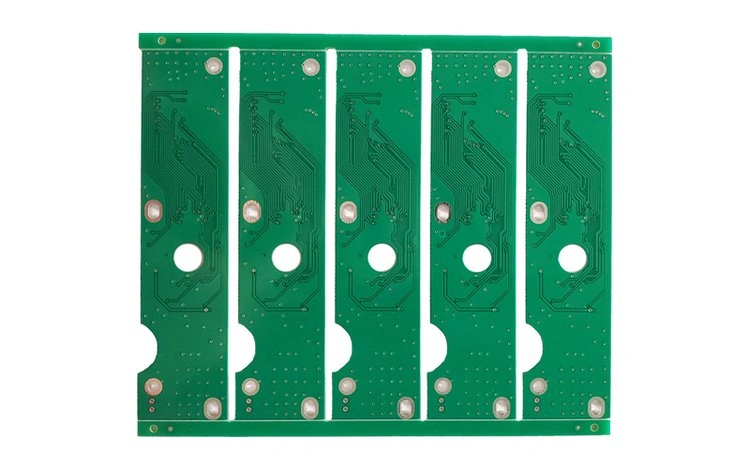
In general, a prototype means making a sample. PCB prototyping means turning a designed PCB schematic into a real board. It is done before mass production for product testing. A PCB project involves many steps. If one step has a problem, it can easily affect the product development schedule. In general, when designing a PCB, […]
Main purpose of PCB baking
The main purpose of baking PCBs is to remove moisture. This means getting rid of water that is inside the PCB or that the PCB has absorbed from the air. Some PCB materials attract water easily. That water can cause big problems later. After production, PCBs can pick up moisture from the environment while they […]
Key Factors Affecting SMT Soldering Quality in PCBA
Intro Demand for small, high-density, multi-function, high-performance electronics is rising. Good soldering is key for PCBA quality. If soldering is poor, the product can fail. In this article we list the main factors that affect SMT soldering quality. We also give simple, practical fixes we use in production. Sentences are short and clear. Words are […]
Flexible PCB Stackup & Layer Order: A Practical Design Guide
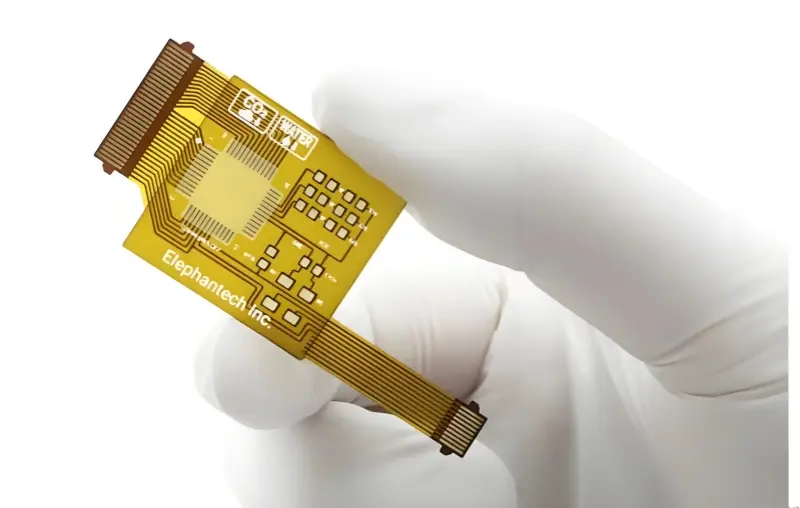
Introduction: The Foundation of Flexible Electronics In an era defined by compact, high-performance electronics, the humble circuit board has evolved dramatically. Flexible and rigid-flex PCBs are no longer niche components but the backbone of modern innovation, from wearables to aerospace systems. The success of these advanced PCB designs hinges on a foundational, yet often overlooked, […]
3 Ways to Communicate Better with Asian PCB Vendors

Picture this: You receive your long-awaited first batch of PCBAs, power them up for testing, and get no response. After costly diagnostics, you find the root cause is maddening—a critical capacitor footprint. Your design files specify 0402, but the boards are populated with 0603. You scour your emails, certain you specified it correctly. The vendor’s […]
How to Order PCB Assembly Service from Philifast?
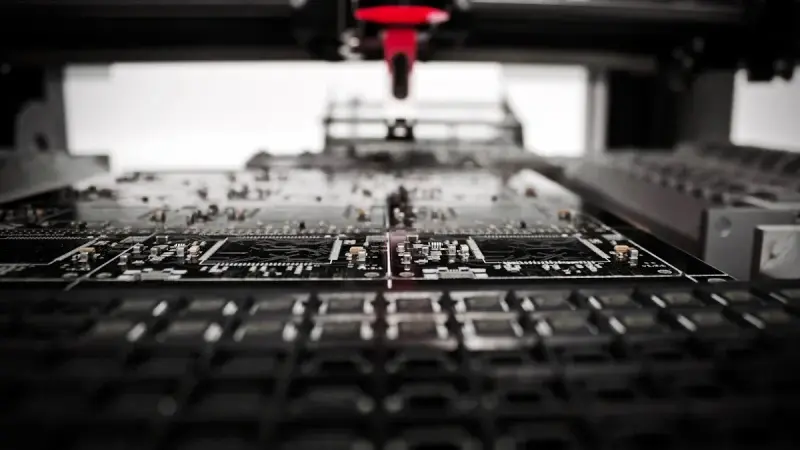
Whether you’re launching new electronic product, an R&D engineer testing prototypes, or a manufacturer scaling up mass production, ordering PCB assembly services efficiently is crucial to keeping your project on track. Philifast offers full-service PCB assembly solution covering prototyping, small-batch production, and mass manufacturing, complying with UL standards. Many people often ask, How to Order […]
Design Requirements for Flexible PCBs (FPC)Practical guidance
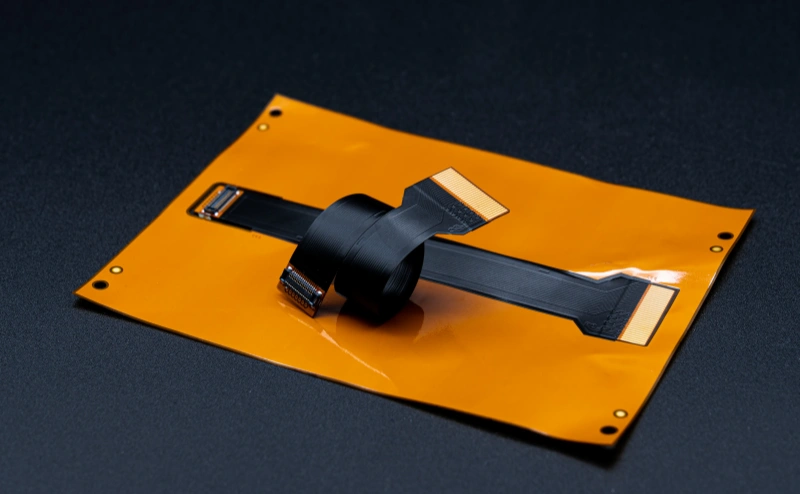
IntroductionTo design a successful flexible PCB, designers need a solid grasp of the core flexible-board requirements. This article explains important design rules and practical details. Flexible PCBs were first used in the military, but today they appear across nearly every industry. Below are ten key points every designer should consider. The 10 Key Design Requirements […]
How to apply conformal coating to a PCB in a standard way
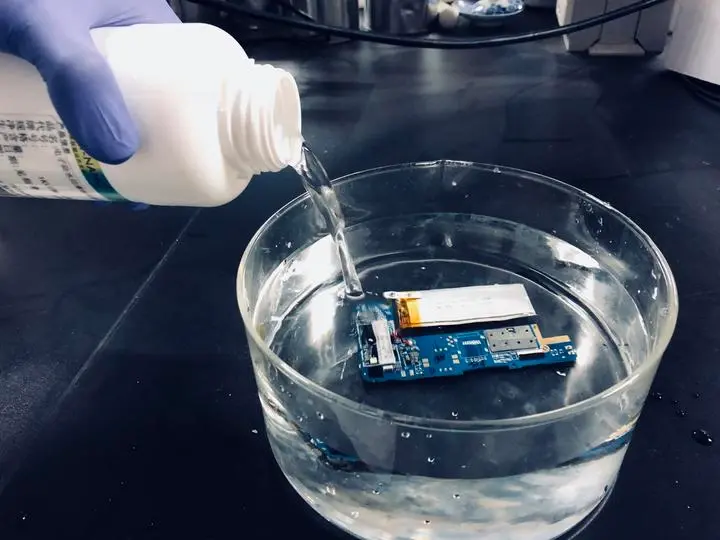
This document explains how to apply conformal coating to circuit boards. Conformal coating is also called three-proof coating. It protects the board from moisture, salt spray, and mold. The guide uses simple words and short sentences. It keeps steps clear. Use it for making your process more standard and safe. Why use conformal coating on […]
Ten Core Rules for PCB Stackup Design
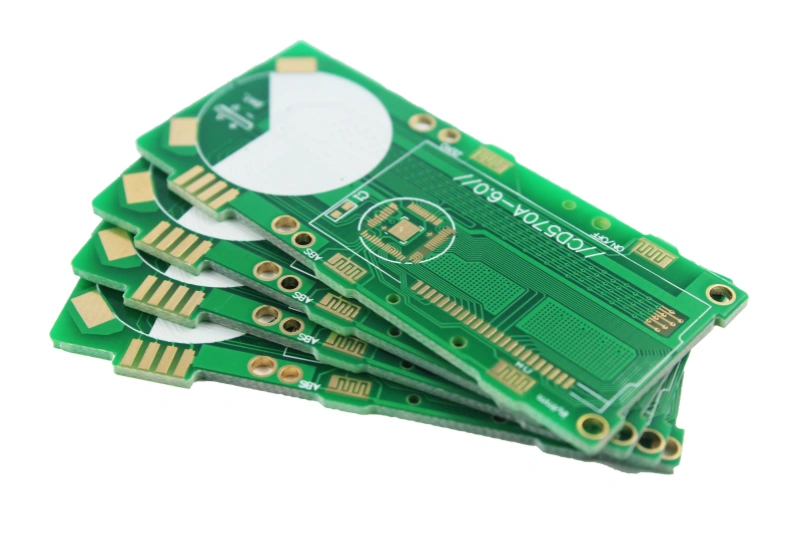
As high-speed circuits appear more and more, PCB complexity grows. To avoid electrical problems, signal layers and power layers must be separated. This leads to the need for multi-layer PCB design, that is, stackup design. A good stackup design can improve power quality, lower crosstalk and EMI, and improve signal transmission. It can also save […]
