


Why must a PCB have impedance control?
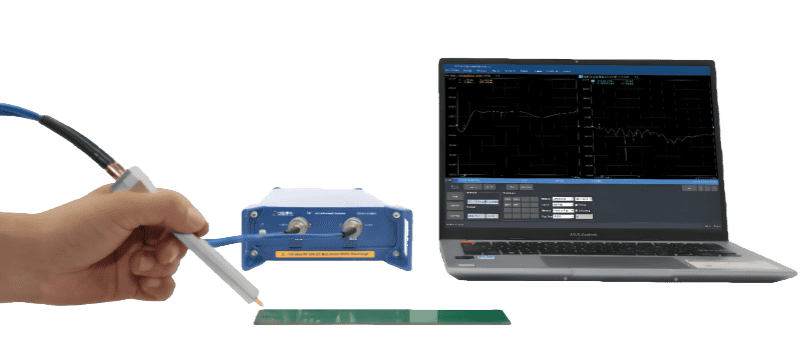
Introduction In PCB design and manufacturing, impedance control is a critical technical requirement. To understand its necessity, we first clarify the basic concept of impedance and then explore its types, impacts, and practical applications in PCBs. 1. What is impedance? In a circuit that has resistance, inductance, and capacitance, the blocking effect these parts have […]
Signal Integrity Design and PCB Test Methods
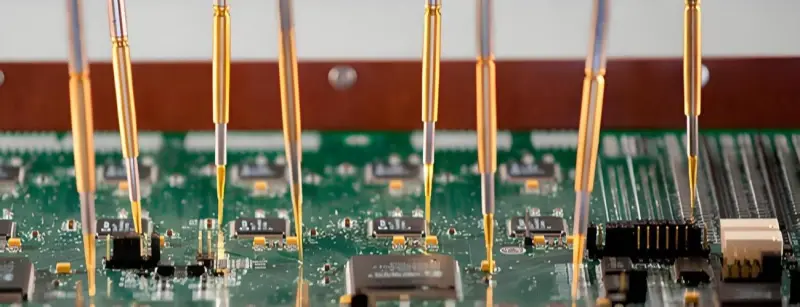
Signal integrity design is an important part of PCB design. There are many test methods today. Broadly, they fall into three groups: Not every method fits every case, and many types of instruments are needed. Know the features of each test method, then pick the right method for the object you test. That choice will […]
How to Ensure BOM Accuracy Before PCB Assembly
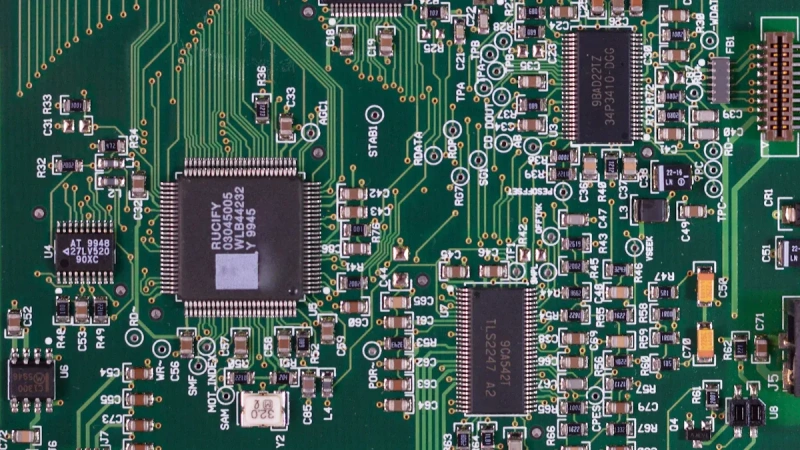
To ensure BOM accuracy before PCB assembly, we always systematically verify every detail and follow a structured review process. A single error in a BOM can lead to costly setbacks. A BOM (Bill of Material), lists every component and instruction needed for PCB assembly. BOM inaccuracies pose tangible risk to manufacturing operations, including project delays, […]
How to optimise PCB cost by Choosing Copper Thickness
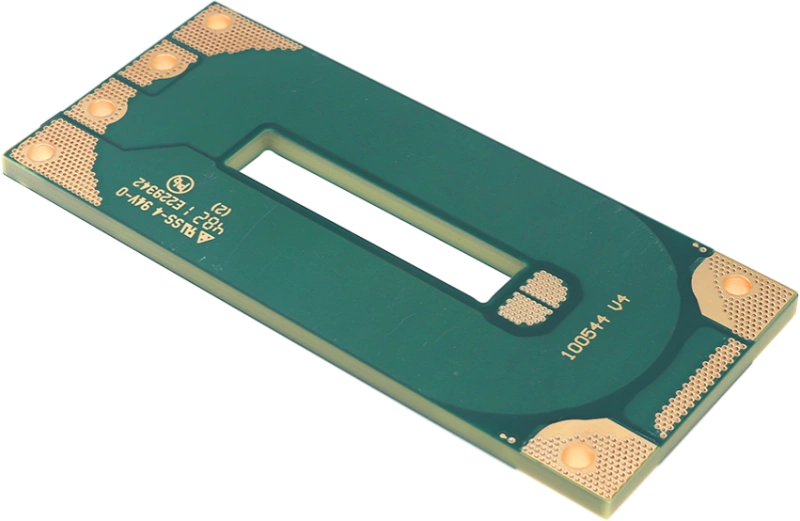
When our clients design printed circuit boards, they often face the challenge of optimising costs while maintaining reliable electrical performance. Copper thickness directly influences both the price and function of every PCB. By making informed decisions, you can avoid unnecessary expenses while ensuring reliable performance. Copper Thickness and PCB Cost Increasing copper thickness will increase PCB costs from […]
What is PCB surface finish?
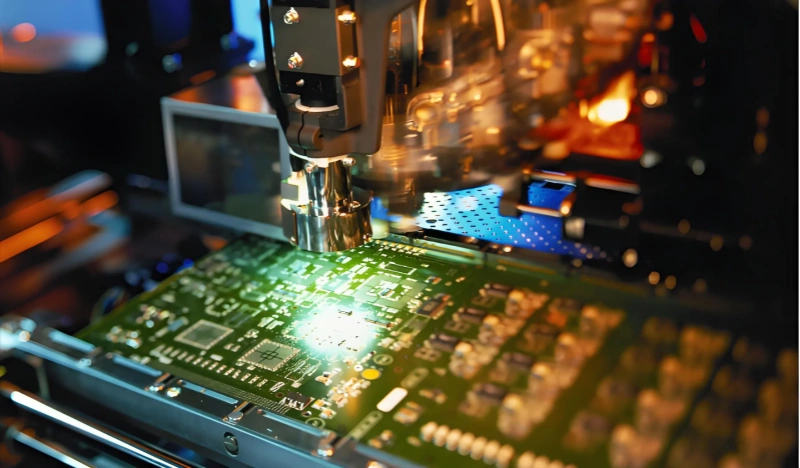
Introduction PCB surface finish is the metal connection between the bare copper on the board and the parts that solder to it. A PCB has a base copper surface. Without a protective coating, the base copper will oxidize easily. So we need a surface finish to protect the copper and to give a solderable surface […]
PCB Copper Surface Oxidation in Production
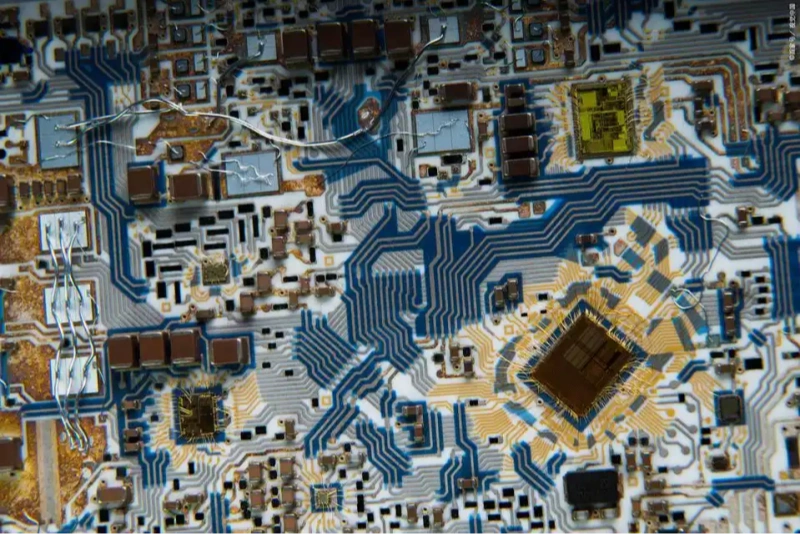
Introduction In double-sided and multilayer PCB production, copper surface oxidation is a serious problem. After copper deposition and whole-board plating, the copper on the board surface and inside holes, especially small holes, can oxidize during the time before pattern transfer. This oxidation harms the quality of pattern transfer and subsequent plating. Inner layers also show […]
How to design a multilayer PCB?

Introduction Printed circuit boards (PCBs) are one of the most important parts of an electronic circuit, and they affect how the device works. Knowing how a PCB is made helps you design it well and pick the right maker. In industry, about 60% of PCBs are multilayer. Demand for smaller, faster, and stronger devices drives […]
PCB schematic vs PCB design file
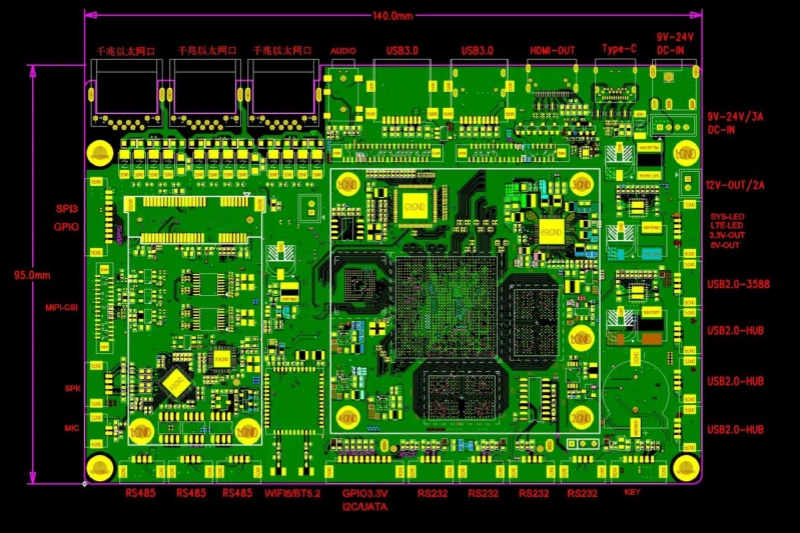
When people talk about printed circuit boards, beginners often mix up the terms “PCB schematic” and “PCB design file.” They point to different things. Knowing the difference is key to making a PCB that works. Below, a Shenzhen PCBA company explains the difference between a PCB schematic and a PCB design file. What is a […]
How to Build Servo Drive System?
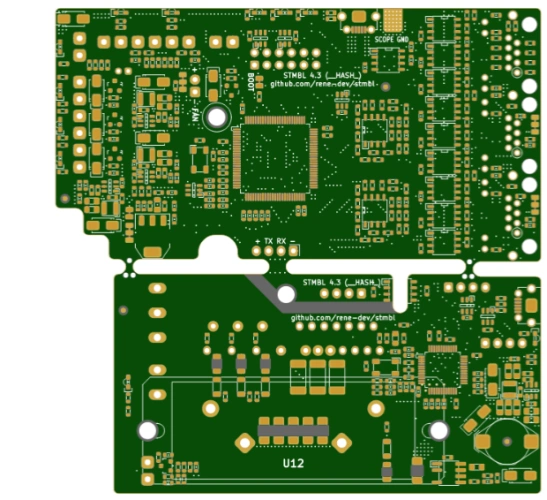
Project Overview The STM32F4 AC Servo Driver is an open-source servo driver project based on the STM32F4 microcontroller. It is designed for CNC machine tool retrofitting and robot control, supports industrial-grade AC/DC servo motors with voltages up to 320V and power up to 2kW, and provides a flexible and low-cost solution for industrial automation. Core […]
