


Box Build Assembly in Electronics Manufacturing
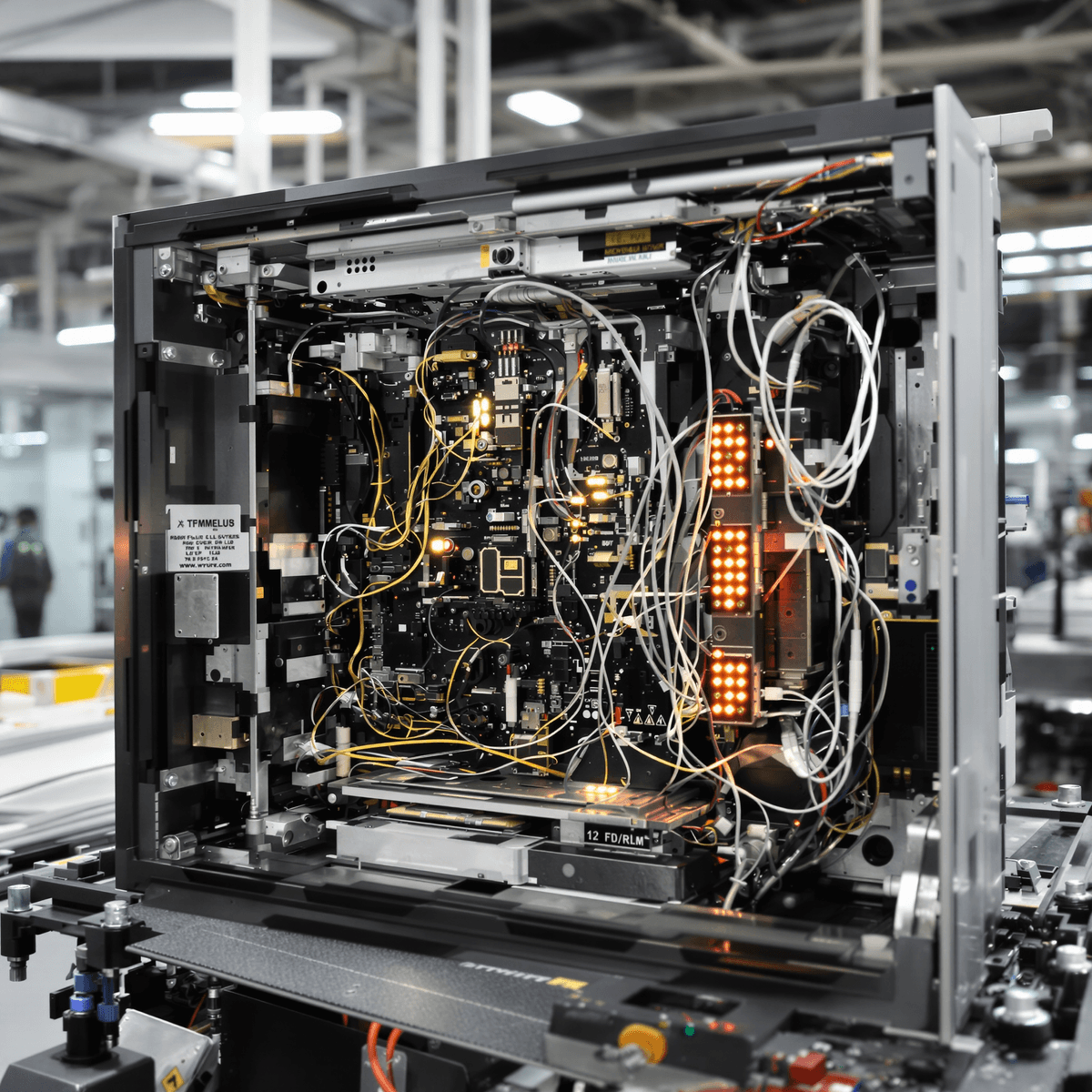
When you think about electronics manufacturing, printed circuit board assembly might be the first thing that comes to mind. But what happens when you need a complete, ready-to-deploy electronic product rather than just a populated PCB? That’s where Box Build Assembly comes into play.
Box Build Assembly represents the comprehensive integration of electronic and non-electronic components into a fully functional, enclosed system. This manufacturing approach transforms individual parts—PCBs, enclosures, wiring harnesses, power supplies, mechanical components, and software—into a complete product that’s ready for immediate use. You’re essentially getting a turnkey electronic product that can go straight from the manufacturing floor to deployment.
The distinction between standard PCB assembly and Box Build Assembly is significant. While PCB assembly focuses on populating circuit boards with electronic components, Box Build services encompass the entire product creation journey. You get a solution that handles everything from component procurement to final system testing, packaging, and documentation.
This article explores the concept of Box Build Assembly in electronics manufacturing, covering its definition, processes, and benefits. You’ll discover how these services streamline production workflows, reduce supply chain headaches, and accelerate time-to-market. Whether you’re developing medical devices, industrial automation systems, or consumer electronics, understanding Box Build Assembly can transform how you approach product manufacturing.
Understanding Box Build Assembly
Box Build refers to a complete electronic assembly solution that combines individual parts into fully operational products ready for the market. Unlike basic circuit board manufacturing, box build involves integrating both electronic and mechanical components into a final system.
Key Components of Box Build Assembly
A typical Box Build Assembly includes several essential parts:
- Enclosures and chassis that hold and safeguard internal electronics
- Wiring and cable harnesses connecting different subsystems
- Power supplies delivering regulated electrical power
- Mechanical parts such as brackets, fasteners, and mounting hardware
- Software components for system functionality and user interfaces
- Display panels and user controls for human-machine interaction
Difference Between PCB Assembly and Box Build
The main difference between standard PCB assembly and Box Build is in their scope and complexity:
- PCB assembly focuses solely on populating circuit boards with electronic components through soldering and placement. It results in a functional circuit board, but nothing beyond that.
- Box Build takes the populated PCB and incorporates it into a complete system. This process involves coordinating various fields—electrical engineering, mechanical design, and software integration.
Benefits of Box Build Assembly
The level of integration required by Box Build projects significantly simplifies the supply chain. Instead of managing multiple vendors for different assembly stages, you work with a single partner who oversees all production aspects. This approach streamlines operations and reduces potential delays or miscommunications.
In the context of Box Build, PCB integration means your circuit boards become just one part of a larger, functioning product ready for deployment.
Additional Considerations for Box Build Assembly
When dealing with complex systems like automotive electronic systems, understanding vehicle electrical systems becomes crucial. Moreover, adherence to industry standards such as those outlined in the MIL-HDBK-454B can ensure reliability and performance in box build assemblies.
The Box Build Assembly Process
The box build process transforms individual components into a fully functional electronic system through several carefully orchestrated stages. Each phase requires precision and attention to detail to deliver a product that meets your specifications.
Component Procurement and Preparation
Your box build partner begins by sourcing all necessary components, from PCBs and mechanical parts to enclosures and fasteners. This stage involves verifying component specifications, managing inventory, and ensuring all materials arrive on schedule. You benefit from consolidated purchasing power and reduced lead times when working with an experienced provider.
PCB Integration and Subassembly
Once components arrive, technicians mount and integrate PCBs into their designated positions within the assembly. This includes installing standoffs, brackets, and mounting hardware that secure the boards. Multiple PCBs may need interconnection through ribbon cables or custom harnesses at this stage.
Wiring Integration and Cable Harness Installation
Wiring integration represents one of the most labor-intensive phases. Technicians route cables according to design specifications, ensuring proper length, strain relief, and organization. Custom cable harnesses connect various components while maintaining signal integrity and preventing electromagnetic interference. You’ll see careful attention to cable management that facilitates future maintenance and troubleshooting.
Enclosure Assembly and Mechanical Integration
During enclosure assembly, technicians install power supplies, cooling fans, displays, switches, and other mechanical components. This stage requires precise alignment and secure fastening to prevent vibration-related failures. Gaskets, seals, and thermal management solutions get integrated based on your environmental requirements.
System Testing and Quality Verification
System testing validates that your assembled product functions correctly before shipment. This critical phase includes:
- Functional testing to verify all features operate as designed
- Electrical safety testing for compliance with regulatory standards
- Environmental stress testing under temperature and humidity conditions
- Burn-in testing to identify early-life failures
- Final inspection and documentation
You need comprehensive testing protocols to ensure product reliability and meet industry certifications like UL, CE, or FDA requirements. Rigorous quality control at this stage prevents costly field failures and protects your brand reputation.
Incorporating advanced technologies like this into the box build process can significantly enhance efficiency and product quality. Additionally, understanding the importance of educational leadership in managing such complex processes can lead to better decision-making and improved outcomes in the assembly process.
Applications Across Industries
Box build assembly serves as a critical manufacturing solution across diverse sectors, each with unique requirements and regulatory demands. Understanding how different box build industries leverage these services reveals why comprehensive integration matters.
Consumer Electronics Assembly
The consumer electronics sector relies heavily on box build services to deliver finished products that combine functionality with aesthetic appeal. Smartphones, tablets, smart home devices, and wearable technology require precise integration of PCBs, displays, batteries, and custom enclosures. Consumer electronics assembly demands rapid turnaround times and scalability to meet market trends, making streamlined box build processes essential for competitive advantage.
Medical Device Manufacturing
Medical device manufacturing operates under strict regulatory frameworks like FDA compliance and ISO 13485 standards. Box build partners in this space must handle sensitive components while maintaining sterile environments and comprehensive documentation. From diagnostic equipment to patient monitoring systems, these devices require meticulous assembly, extensive testing protocols, and traceability throughout the production cycle.
Industrial Automation
Industrial automation systems depend on rugged, reliable assemblies that withstand harsh operating conditions. PLCs (Programmable Logic Controllers), robotic control systems, and sensor networks need robust enclosures, specialized wiring harnesses, and industrial-grade components. Box build services provide the integration expertise to create systems that operate continuously in demanding manufacturing environments.
Telecommunications Infrastructure
Telecommunications equipment requires box build solutions that ensure signal integrity and thermal management. Network routers, base stations, and data center hardware involve complex cable management, multiple PCB integration, and cooling systems that maintain optimal performance under heavy loads.
Automotive and Aerospace Electronics
Both automotive electronics and aerospace applications demand high-reliability assemblies that meet stringent safety standards. Engine control units, infotainment systems, avionics, and flight control systems require certified manufacturing processes, rigorous testing, and complete supply chain traceability to ensure passenger safety and system reliability.
Advantages of Choosing a Reliable Box Build Partner
Choosing a box build provider requires careful consideration of multiple factors that directly impact your product’s success. An experienced assembly partner brings specialized knowledge that transforms complex manufacturing challenges into streamlined solutions. You gain access to established supply chains, advanced testing equipment, and skilled technicians who understand the nuances of integrating diverse components into cohesive systems.
1. Faster Time-to-Market
One of the biggest benefits is how much faster you can get your product to market. A good partner can handle buying materials, putting things together, testing, and shipping all at the same time. This means something that might take months if you did it all yourself could be done in just a few weeks with their help. You also save money because you don’t have to spend on building your own facilities or hiring a lot of people.
2. Flexibility in Production
Another advantage is flexibility. With a reliable box build partner, you have the ability to easily adjust your production levels based on demand. If there’s a sudden increase in orders or if you need to scale down for any reason, your partner can accommodate those changes without causing major disruptions.
3. Access to Specialized Expertise
Working with an experienced assembly partner gives you access to specialized knowledge and skills that may not be available in-house. They have expertise in areas such as design-for-manufacturability, quality management systems, and project management techniques which can greatly benefit your product development process.
4. Established Supply Chain Relationships
A reliable box build provider has established relationships with suppliers and manufacturers which can lead to better pricing, faster turnaround times, and improved overall efficiency in the production process.
5. Enhanced Quality Assurance
Quality is crucial when it comes to manufacturing products. By partnering with an experienced assembly provider who has robust quality management systems in place, you can ensure that your product meets industry standards and customer expectations consistently.
Capabilities Assessment
Before committing to a partnership, it’s important to assess the capabilities of potential box build providers in several key areas:
- Technical infrastructure – Look at their equipment, certifications (like ISO or IPC standards), and measures for protecting against electrostatic discharge (ESD)
- Engineering support – Evaluate their expertise in design-for-manufacturability and ability to optimize your product during development
- Quality management systems – Review how they test products, track defects, and handle corrective actions
- Project management expertise – Examine how they communicate with clients, track milestones, and manage changes
- Supply chain relationships – Verify their ability to source components and manage inventory effectively
You need a partner who is open about pricing, keeps clear documentation practices, and provides regular updates on progress. Their past performance with similar projects will give you insight into their capability to handle your specific needs and deliver consistent results even under pressure.
Incorporating advanced methodologies like lean manufacturing into your production process can further enhance efficiency and reduce waste.
Conclusion
Box Build Assembly is a strategic solution for manufacturers who require integrated electronic systems ready for immediate use. This all-inclusive service turns complex production issues into smooth operations by bringing multiple manufacturing processes together in one location.
The benefits are clear: you get access to turnkey solutions that eliminate the stress of dealing with multiple vendors, managing complex supply chains, and overseeing different production stages. By collaborating with a skilled box build provider, you’re investing in a process that delivers complete, tested products instead of just individual parts.
The competitive advantages are evident:
- Accelerated time-to-market through streamlined manufacturing processes
- Lower overhead costs from simplified vendor management
- Improved product quality through thorough testing protocols
- Increased flexibility to adjust designs based on market demands
Box Build Assembly goes beyond just putting together components—it’s about creating a smooth journey from idea to final product. For manufacturers looking for efficiency, dependability, and speed in today’s challenging electronics market, this integrated approach delivers tangible results that directly impact your profits and market position.
FAQs (Frequently Asked Questions)
What is Box Build Assembly in electronics manufacturing?
Box Build Assembly refers to a comprehensive electronic assembly process that goes beyond standard PCB assembly by integrating enclosures, wiring, power supplies, mechanical parts, and software to deliver fully integrated electronic systems.
How does Box Build Assembly differ from standard PCB assembly?
Unlike standard PCB assembly which focuses solely on assembling printed circuit boards, Box Build Assembly involves additional integration of enclosures, wiring harnesses, power supplies, mechanical components, and full system testing, resulting in a turnkey electronic product.
What are the key stages involved in the Box Build Assembly process?
The Box Build Assembly process includes several critical stages such as enclosure assembly, wiring integration, power supply installation, mechanical part integration, and comprehensive system testing to ensure product reliability and compliance with industry standards.
Which industries benefit most from using Box Build Assembly services?
Industries such as consumer electronics, medical device manufacturing, industrial automation, telecommunications, automotive electronics, and aerospace benefit from Box Build Assembly due to their need for complex, fully integrated electronic solutions tailored to specific requirements.
What are the advantages of partnering with a reliable Box Build Assembly provider?
Partnering with an experienced Box Build provider offers advantages like high-quality production within tight timelines, reduced supply chain complexity, enhanced production efficiency, and access to technical expertise and project management capabilities essential for successful turnkey solutions.
How does Box Build Assembly enhance production efficiency and delivery speed?
By providing a complete turnkey solution that integrates all components—from PCBs to enclosures and system testing—Box Build Assembly streamlines manufacturing processes, reduces coordination between multiple suppliers, simplifies logistics, and accelerates the delivery of finished electronic products.
