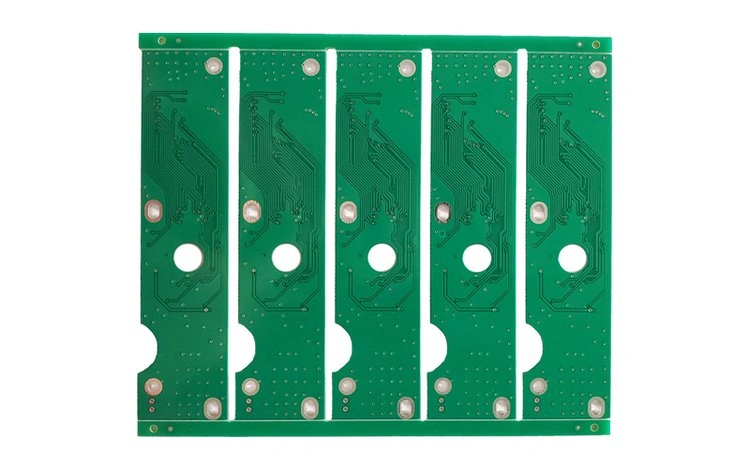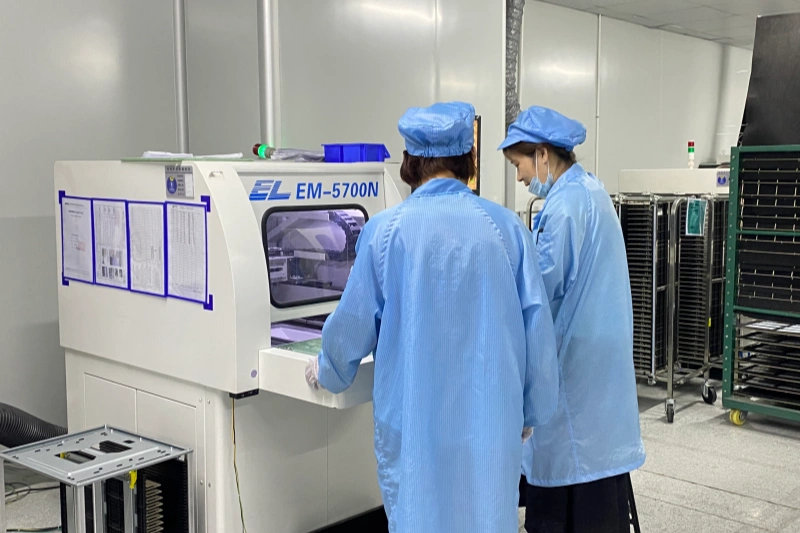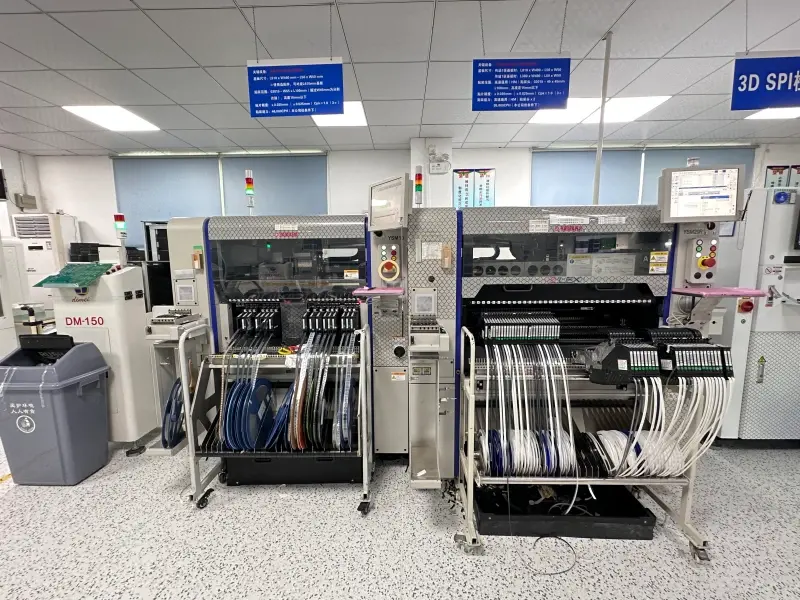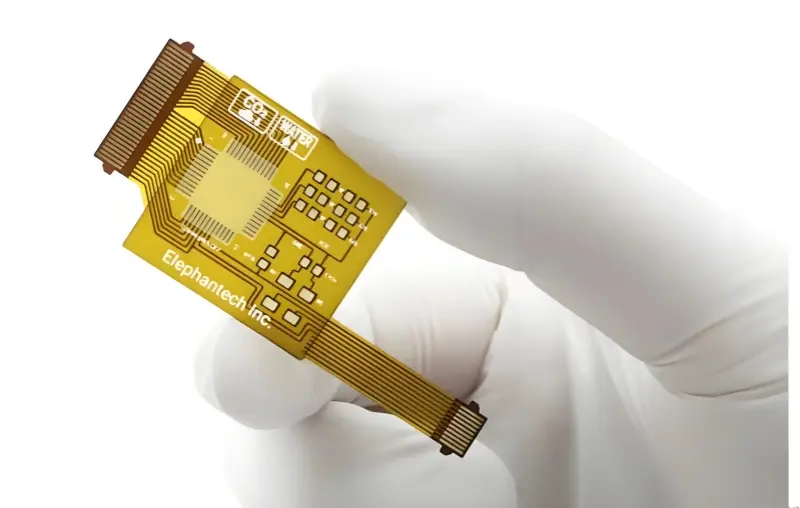


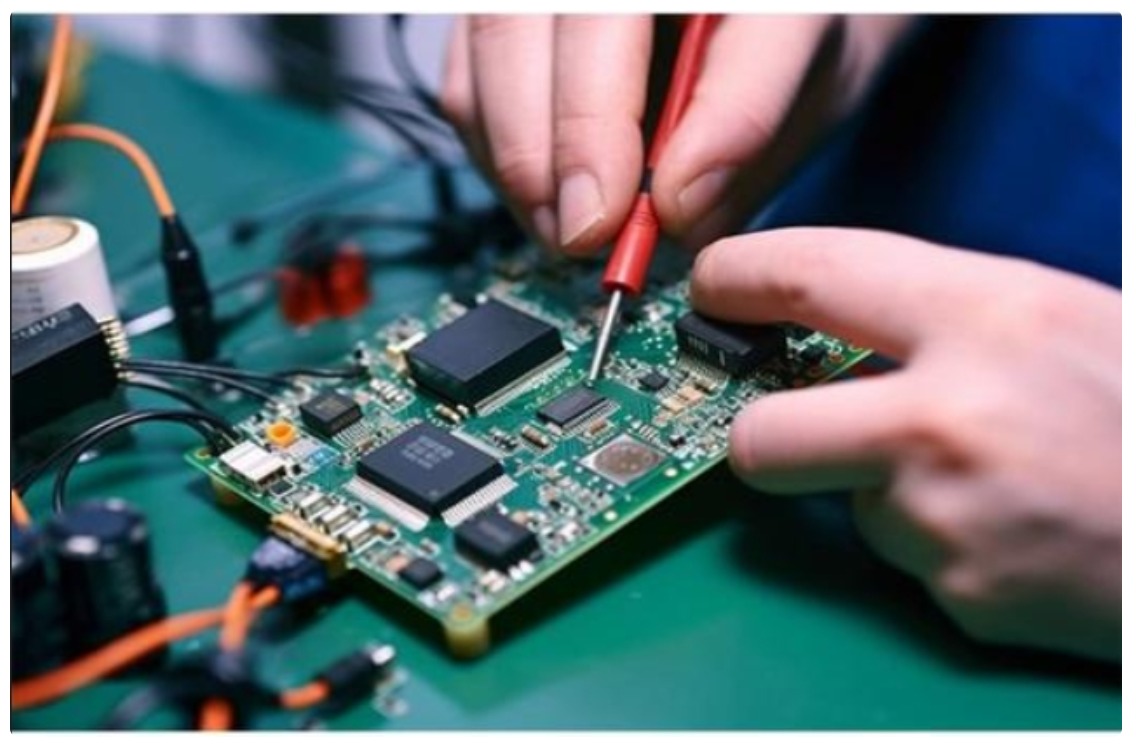
To adapt to increasingly fierce market competition, customers are compelled to reduce the time and costs associated with coordinating with multiple suppliers, allowing them to focus on product development and market expansion.The most effective way to streamline supplier relationships, shorten R&D and production cycles, and reduce operating costs is to find a one-stop PCB service provider that offers integrated solutions from PCB design verification, BOM component procurement, SMT assembly, through-hole soldering, functional testing to finished product packaging and delivery. This not only ensures product quality and timely delivery but also provides practical advice on DFM/DFT optimization, material substitution, and manufacturability.
Why Important For Turnkey PCB Assembly Service Provider
- By partnering with a single supplier, turnkey PCB assembly services can provide customized PCB solutions and optimize the entire production process.
- Before production, companies can discuss Design Feasibility for Manufacturing (DFM) with the PCB service provider to optimize the PCB design.
- A single PCB service provider facilitates centralized production, testing, and quality inspection, ensuring controllable product quality.
- Simplifying the supplier pool not only reduces supplier management burdens but also avoids communication problems.
- Streamlined operations minimize hand-offs, leading to fewer errors and lower operational costs.
- Bulk procurement through a turnkey provider lowers component costs and logistics expenses, enhancing overall savings.
- Choosing the right turnkey partner ensures quality, timely delivery, and support for your specific technical needs.
Comprehensive Overview of Turnkey PCB Assembly Solutions and Their Role in Modern Manufacturing
What Is Turnkey PCB Assembly
Turnkey PCB Assembly means a complete solution for electronics manufacturing. a single provider can manage every stage of your project, from design review to final testing. it becomes real-time visibility for your full production process.and reduces manual errors and speeds up your workflow. You also benefit from early-stage design reviews, which help you catch and fix issues before they become costly problems. For small and medium businesses, this model removes the need for in-house production capabilities and minimizes errors through automated systems.
Note: Turnkey PCB Assembly lets you focus on innovation, while your manufacturing partner handles the technical details.
End-to-End Service Model
With an end-to-end service model, your PCB service provider will take care of everything from start to finish, including component sourcing, PCB fabrication, assembly, and quality testing. This includes advanced inspection methods such as Automated Optical Inspection (AOI) and X-ray inspection. AOI detects soldering defects and misaligned components, while X-ray inspection finds hidden issues in complex parts like BGAs. Functional testing simulates real-world conditions to ensure your product works as intended. Providers also follow IPC standards, which guarantee consistency and reliability across all production batches.
Here’s a quick look at how the end-to-end model improves quality:
| Mechanism | Contribution to Quality |
| Automated Optical Inspection (AOI) | Detects soldering defects and component misalignment |
| X-ray Inspection | Catches hidden defects in complex components |
| Functional Testing | Ensures reliability under real-world conditions |
| Adherence to IPC Standards | Delivers consistent, reliable results |
Supplier-Managed Process
A supplier-managed process means your manufacturing partner oversees the entire supply chain. You do not need to track multiple shipments or coordinate with several vendors. This approach reduces your administrative burden and helps you avoid miscommunication. Effective supply chain management identifies and addresses risks early, such as component shortages or delays. Your provider orders critical parts in advance, so your project stays on schedule. Before full production begins, First Article Inspection (FAI) checks the initial batch for accuracy. During assembly, tests like SPI, X-ray, and AOI catch errors early. Compliance with IPC standards further reduces the risk of failure and ensures high product quality.
Let’s compare this with traditional PCB assembly:
| Aspect | Turnkey PCB Assembly | Traditional PCB Assembly |
| Customer Involvement | Minimal; manufacturer handles all components and materials | High; customer sources some components |
| Sourcing of Components | Manufacturer sources all components | Customer sources some components |
| Management Efficiency | Higher efficiency as the manufacturer manages the entire process | Lower efficiency due to customer involvement in sourcing |
Single-point accountability, easier inventory control, and more flexibility for customization help your team focus on product development, while your partner ensures a smooth, error-free manufacturing process.
How Turnkey PCB Assembly Drives Significant Quality Improvement Throughout the Manufacturing Process
Integrated Quality Control
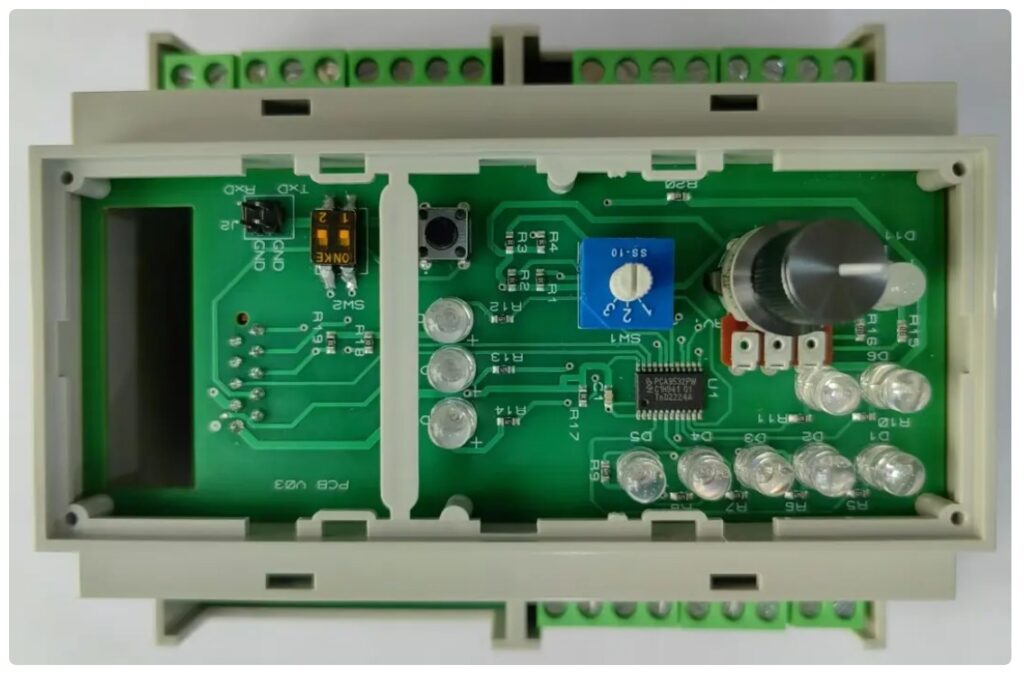
Choosing Turnkey PCB Assembly can gurantte every inspection and test under one roof,integrated quality control means consistent results and fewer surprises
Centralized Testing
Centralized testing ensures that every stage of your PCB’s journey—design, assembly, and final inspection—follows a unified process. You do not need to coordinate between multiple vendors or worry about gaps in quality checks. Your manufacturing partner uses a combination of manual and automated inspections to catch defects early.
Here is a summary of the most common quality control measures you can expect:
| Quality Control Measure | Description |
| Visual Inspection | Operators check solder joints, component orientation, and cleanliness for visible defects. |
| Automated Optical Inspection | High-resolution cameras scan for missing, misaligned, or defective components at high speed. |
| X-Ray Inspection | Non-destructive imaging reveals hidden solder joint issues in dense or complex assemblies. |
| In-Circuit Testing (ICT) | Controlled voltages confirm circuit continuity and correct component values. |
| Flying-Probe Testing | Flexible probes test prototypes for shorts and resistance directly from your design files. |
| Functional Testing | Simulates real-world conditions to ensure your board works as intended. |
Note: Centralized management of these tests ensures that you receive a reliable product that meets your specifications every time.
Consistent Standards
You benefit from consistent standards because your provider applies the same rigorous checks to every batch. Automated optical inspection and functional testing happen at multiple points, not just at the end. This approach guarantees that your boards meet industry benchmarks for performance and safety. Every step is documented, so you can trace any issue back to its source. You get peace of mind knowing that your product will perform reliably in the field.
Advanced Testing Methods
Using technology to verify every detail.Advanced testing methods will catch even the smallest defects before your product leaves the factory. These methods go beyond basic visual checks
Early Defect Detection
Early identification of defects gives you the chance to fix problems before they become costly failures. Automated optical inspection scans for visual defects, while X-ray inspection uncovers hidden issues in solder joints and complex packages. Thermal imaging highlights hot spots that could signal reliability problems. You avoid expensive recalls and rework by catching these issues early.
- Automated Optical Inspection (AOI) detects surface defects and misalignments.
- X-ray inspection finds hidden solder joint problems in BGAs and other dense components.
- Thermal imaging identifies potential overheating risks.
In-Circuit and Functional Testing
In-circuit in the final product’s reliability applies controlled voltages to check circuit continuity and component values. Flying-probe testing validates your prototype against the original design. Functional testing simulates real-world scenarios, confirming that your board performs as expected.
PCB testing helps verify that the manufactured board accurately reflects the intended design. This is especially important for complex, multi-layer PCBs or those with high-density interconnects. Advanced techniques such as X-ray inspection and flying probe testing confirm that all layers are aligned, vias are formed correctly, and internal connections are intact.
In addition,there’re some specialized tests, including:
- Input/output function tests for interface stability
- Power consumption measurements
- Analog and digital signal detection
- Operation timing checks
- Solderability and contamination testing
- Micro-sectioning analysis for internal defects
- Time-domain reflectometry for high-speed signal integrity
- Peel and solder float tests for mechanical strength
These methods ensure that your product meets both your requirements and industry standards.
Risk Reduction
Turnkey PCB Assembly reduce risk at every stage.Your provider implements strategies that minimize the chance of defects and failures.
Single Point of Contact
You work with a single point of contact throughout the project. This streamlines communication and ensures that everyone stays aligned. You do not have to juggle multiple vendors or worry about messages getting lost. Your manufacturing partner coordinates every detail, from design review to final delivery.
- A single company manages your project, reducing miscommunication.
- In-house teams for fabrication and assembly work closely together, lowering the risk of errors.
Fewer Communication Errors
The fewer communication errors occurs because your provider handles everything internally. This approach contributes clear updates, faster responses, and a smoother workflow.which eliminates the gaps that often occur when several companies share responsibility.
- Good communication between departments reduces manufacturing mistakes.
- You avoid the confusion and delays that come from working with multiple suppliers.
How Turnkey PCB Assembly Significantly Reduces Overall Manufacturing Costs
Streamlined Operations
Fewer Hand-Offs
It becomes more efficient when you reduce the number of hand-offs in your manufacturing process. With all stages managed by a single provider, you avoid delays that come from transferring work between multiple vendors. This approach eliminates the risks of miscommunication and lost information. You see fewer errors and less rework, which directly lowers your operational costs.
Optimized Workflow
A streamlined workflow means every step in your project follows a logical sequence. Your provider coordinates design, procurement, assembly, and testing under one roof. This structure removes unnecessary steps and accelerates production, which helps faster prototyping and improved supply chain management. The table below highlights the operational efficiencies you achieve:
| Aspect | Description |
| Reduced Lead Times | All processes occur in one location, cutting overall manufacturing time. |
| Improved Cost Efficiency | No need to ship PCBs between sites, reducing costs and risks. |
| Centralized Quality Control | Easier to maintain quality when one provider handles both PCB and box build assembly. |
| Faster Prototyping | Quicker iterations for prototypes and small production runs. |
| Improved Supply Chain Management | Better control over inventory and component sourcing. |
Streamlined operations in turnkey PCB assembly reduce costs by removing unnecessary steps and enhancing your production workflow. This efficiency enables bulk purchasing of components, which leads to better pricing and substantial savings over time. While turnkey services may seem more expensive at first, you often realize significant savings for larger production runs.
Simplified Supply Chain
Bulk Procurement
You benefit from your provider’s established supplier relationships. They can source parts at lower prices than most businesses can achieve alone. Bulk procurement leads to lower prices from suppliers due to economies of scale. When you partner with a turnkey manufacturer, you further reduce costs through efficient component sourcing. Your provider negotiates bulk pricing, which can cut the cost of components significantly.
Lower Logistics Costs
You see lower logistics costs because your provider consolidates shipments and manages all purchasing and invoicing. This approach reduces your administrative burden and simplifies your accounting. The tables below show how a simplified supply chain benefits your project:
| Benefit | Description |
| Supply Chain Simplification | One provider manages all production stages, reducing complexity and boosting efficiency. |
| Reduced Complexity | Fewer suppliers mean less risk of miscommunication or delays. |
| Benefit | Description |
| Centralized Quality Control | One point of quality control improves the assembly process. |
| Unified Project Management | One contact point for all communications and project tracking. |
| Benefit | Description |
| Easier Problem Solving | Integrated teams make it easier to solve problems and ensure accountability. |
| Reduced Administrative Burden | Simplified purchasing and invoicing lower your overhead. |
Faster Time-to-Market
Shorter Lead Times
Turnkey services coordinate all processes in one location, eliminating delays from transferring projects between vendors. The table below compares lead times before and after adopting turnkey solutions:
| Aspect | Before Turnkey | After Turnkey |
| Lead Time | 10-12 weeks | 4-5 weeks |
| Time Efficiency | Delays present | Delays eliminated |
Quick Design Changes
You adapt quickly to market demands with rapid design changes. Fast PCB prototyping lets you iterate multiple times, refining your product features. Thorough testing during prototyping improves quality and reliability. Quick turn assembly accelerates manufacturing, which is especially valuable for prototypes and small batches.
Tip: Seamless coordination between design, fabrication, and assembly teams ensures your product reaches the market faster and with fewer obstacles.
Key Questions to Choose the Right Turnkey PCB Assembly Partner for Your Project
You should ask direct questions to narrow down your options. Confirm if the provider holds ISO 9001 or AS9100 certifications. Ask about their inspection equipment, such as AOI, X-ray, and ICT. Check if they can meet your delivery deadlines. Request detailed, all-inclusive quotes. Find out if you will have a dedicated point of contact for your project.
Consider your project’s specifics. Clarify the type of PCB you need—rigid, flex, or HDI—and the complexity, such as layers and pitch. Research online reviews and case studies to learn about their strengths and weaknesses. Request detailed RFQs and consider on-site visits to assess their quality firsthand.
- What are your specific requirements?
- What is your expected volume and timeline?
- What certifications does your industry require?
Note: Asking the right questions helps you identify providers who match your technical and business needs.
Conclution
Selecting the right partner for your electronics manufacturing project shapes your product’s success. You need a provider who delivers consistent quality, meets deadlines, and supports your technical requirements. The right choice helps you avoid costly mistakes and ensures a smooth production process.
PHILIFAST offers a comprehensive range of services, including SMT placement, testing, and packaging. With over two decades of engineering experience
FAQ
What is the main advantage of turnkey PCB assembly?
You gain a single point of contact for your project. This approach streamlines production, reduces errors, and improves quality. You save time and money by letting experts manage every stage.
How does turnkey PCB assembly improve product quality?
Your provider uses integrated quality control and advanced testing. Automated inspections catch defects early. Consistent standards ensure every board meets industry benchmarks.
Can turnkey PCB assembly handle urgent orders?
You can request expedited services. Many providers offer quick-turn options for prototypes and small batches. Shorter lead times help you launch products faster.
What types of PCBs can turnkey assembly support?
You can order rigid, flex, HDI, and multi-layer PCBs. Providers support various sizes, shapes, and complexities. You receive custom solutions for your specific application.
How do I track my order during production?
You access cloud-based software for real-time updates. You monitor progress, review test results, and communicate with your provider. This transparency keeps you informed at every stage.
Is turnkey PCB assembly cost-effective for small businesses?
You benefit from bulk procurement and reduced logistics costs. Turnkey services lower your overhead and minimize errors. Small businesses save money by outsourcing production to experts.